I'm delighted to be partnering with Health Story Collaborative to be facilitating stories of illness and healing with patients and care providers. In May 2018, we did a public demonstration of this process with me and my neuro-oncologist, Dr. John Trusheim. Here is a video from that event:

Wednesday, August 1, 2018


Friday, October 23, 2015
On some health adventures
Hi colleagues,
I found out in September 2015 that I have a brain tumor that is taking me on some health adventures. I've found that I'm learning more about building and benefiting from vibrant communities from this experience than any other experience I've had so far. My wife and I made a book about our adventures with brain cancer, with her photos and my writing:
Don't Postpone Joy: Adventures with Brain Cancer.
Connections on this journey with those of you I work with, learn with, and play with are sustaining me. Thank you.
I found out in September 2015 that I have a brain tumor that is taking me on some health adventures. I've found that I'm learning more about building and benefiting from vibrant communities from this experience than any other experience I've had so far. My wife and I made a book about our adventures with brain cancer, with her photos and my writing:
Don't Postpone Joy: Adventures with Brain Cancer.
Connections on this journey with those of you I work with, learn with, and play with are sustaining me. Thank you.
Monday, May 18, 2015
Insecurity as a resource for leadership networks
A few days ago I had a bad
headache and a tight belly, partly because I felt like I was doing work that
was harmful. I was organizing an activity for a high-energy networking event
for 1,100 community leaders from the region. The activity was a network map
that showed how these 1,100 people knew each other. The more connections you
had to others at this event, the larger of a dot you were on the map. At times,
I felt like I was helping create a shallow popularity contest that encouraged
posturing. As my head hurt, I was aware of how much self-doubt I had about my
contributions to this event. As I paid more attention to this, I became aware
of how much self-doubt many of the 1,100 participants were also bringing to the
event and the potential connections they would make. Underneath the event
preparation and activities, it felt like there was a strong, restless current,
where most of us were trying to keep our heads above the water of these
questions:
Do I really belong here? Will I be found out as a fraud?
Will my gifts be recognized and welcomed?
Do I really belong here? Will I be found out as a fraud?
Will my gifts be recognized and welcomed?
In the middle of this networking
event, I was feeling drained and discouraged.
At that moment, a community artist who inspires me happened to walk up
to me to ask about the network mapping activity I was working on. In our
conversation, this artist surprised me by telling me about the self-doubts he
had about how he fit in this large group of leaders. As he vulnerably and openly
told me about this, I felt a wave of grace wash through us.
I've spent much of my life asking
myself why I was so shy, and why I had such trouble connecting naturally with
people around me. The morning after the event, I woke up early with a desire to
reframe this history of self-doubt and insecurity. I saw in a new way the value
of the path I've been on from intense shyness to choosing a career as a group
facilitator that stretched my natural tendencies. My own experiences have
increased my attention to and compassion for these insecurities. That morning, I felt called to a new way of
facilitating connections and collaboration--a way that acknowledges and integrates
our insecurities about belonging. I felt
the opportunity for healing of my habit of believing that I can't deeply and
naturally connect with others. I felt a desire to continue my facilitation
work, but from a place of compassion for those hidden insecurities about
belonging that are in me and many others I work with.
If we see leadership as something
that a small number of powerful individuals do, the hidden doubts we have as leaders
will probably always feel lonely and alienating. If we see leadership as an
activity that anyone can do, as a way of taking responsibility and initiative
for what we care about--then our weaknesses and doubts can point us to the ways
we need each other. If leadership is something we do together, my limitations
can open up space for connection and opportunity for others.
The network mapping team that I
was working with at this event repeatedly showed me the ways that our mix of
strengths and weaknesses added up to a larger, more beautiful whole, as this
photo of our team demonstrates.

Saturday, November 15, 2014
A parody commercial about my work from my son & other updates
Have you been curious about what the jargon I use in my work actually means? My son made a video that both pokes fun at that jargon and also translates it into normal language. I thought you might like it.
I hope to do more philosotating and using fancy diagrams with you!
I want to take my work less seriously and work less compulsively. I appreciate my son's help with that, and also welcome yours!
- Michael Bischoff
P.S. Here are the serious, save-the-world things I'm doing this fall:
Helping facilitate the:
I hope to do more philosotating and using fancy diagrams with you!
I want to take my work less seriously and work less compulsively. I appreciate my son's help with that, and also welcome yours!
- Michael Bischoff
P.S. Here are the serious, save-the-world things I'm doing this fall:
Helping facilitate the:
Tuesday, June 17, 2014
Shyness & facilitating connections between others
I'm shy and introverted, yet I spend much of my time facilitating connections between other people. What's up with that?
Earlier this month, I organized and co-facilitated a bunch of large events. During one of them, a room full of people were enthusiastically networking, as a part of an event to match nonprofits with pro bono consultants. In the middle of this event, I went out in the hallway and questioned my sanity. Being in a room full of people mingling is one of my images of torture. I was one of the people who had the idea for the event and made it happen.
When a colleague and I came up with the idea for this activity, I was energized by the conversation and the idea of a creative way to address an unmet need. I enjoyed getting other partners on board with the idea. And as tiring as mingling can be for me, building a broad and diverse network of people I work with is important to me. I find that acting as a facilitator pushes me out of my introverted tendencies in ways that are quite useful for me, and my tendencies to step back, listen and notice things seems helpful for others. Heck, I even met my wife when I was organizing and facilitating a workshop.
But what the painful moment in the hallway reminded me was that I don't just want to facilitate broad and shallow networking. I want to focus my facilitation work on deep, long-term, transformative relationships and action. I'd like to invite you to the retreat and "deep dive" that are listed below. They are both designed, in different ways, to make space for deep and generative connections--connections to sources of wisdom, connections with others, and connections to bold leadership.

Victoria, MN
I invite you to spend a day in a beautiful place listening for, expressing, and practicing what it means to "Lead from Source." There is a way of leading that trusts that an invisible source, much larger than our own will and limiting perspectives, is seeking to work through us individually and together...
Find out more

Minneapolis, MN
Are you working with a diverse network of people to solve complex social challenges? Would you like to be?
We invite you to learn and practice an approach to collective innovation that is collaborative, experimental, and committed to transformative results.
Find out more
Earlier this month, I organized and co-facilitated a bunch of large events. During one of them, a room full of people were enthusiastically networking, as a part of an event to match nonprofits with pro bono consultants. In the middle of this event, I went out in the hallway and questioned my sanity. Being in a room full of people mingling is one of my images of torture. I was one of the people who had the idea for the event and made it happen.
When a colleague and I came up with the idea for this activity, I was energized by the conversation and the idea of a creative way to address an unmet need. I enjoyed getting other partners on board with the idea. And as tiring as mingling can be for me, building a broad and diverse network of people I work with is important to me. I find that acting as a facilitator pushes me out of my introverted tendencies in ways that are quite useful for me, and my tendencies to step back, listen and notice things seems helpful for others. Heck, I even met my wife when I was organizing and facilitating a workshop.
But what the painful moment in the hallway reminded me was that I don't just want to facilitate broad and shallow networking. I want to focus my facilitation work on deep, long-term, transformative relationships and action. I'd like to invite you to the retreat and "deep dive" that are listed below. They are both designed, in different ways, to make space for deep and generative connections--connections to sources of wisdom, connections with others, and connections to bold leadership.
Leading from Source Retreat
August 13Victoria, MN
I invite you to spend a day in a beautiful place listening for, expressing, and practicing what it means to "Lead from Source." There is a way of leading that trusts that an invisible source, much larger than our own will and limiting perspectives, is seeking to work through us individually and together...
Find out more
Leading Innovation Deep Dive Workshop
September 15-16Minneapolis, MN
Are you working with a diverse network of people to solve complex social challenges? Would you like to be?
We invite you to learn and practice an approach to collective innovation that is collaborative, experimental, and committed to transformative results.
Find out more
Thursday, February 27, 2014
Spend a day in retreat with me?
One of my favorite natural place near the Twin Cities is the area around Carver Park Reserve, with a mix of forest, prairies, gentle hills, and lakes. I'd like to invite you to spend a day with me and some friends at a retreat there, listening for what it means for each of us to lead from our deepest sources of strength and guidance. We'll spend some time in storytelling, in nature, moving around, with music and in conversation.

Leading from Source Retreat
What is Leading from Source?
There is a way of leading that trusts that an invisible source, much larger than our own will and limiting perspectives, is seeking to work through us individually and together. This source moves toward wholeness and is actively seeking to be in relationship with us. Through stillness, discernment, and reflective action it is possible to move in close connection with this source--in business, in social change, and personally. We call this kind of leadership, "leading from the source" because it is a choice to investigate and operate from the deepest sources for inspired and effective action. Many of us are drawn to this way of listening and leading in the midst of complex, diverse settings and challenges--and we hunger to do it with more integrity and in more connection with others on this path.
Leading from Source Retreat
Wednesday, August 13, 9:00 AM - 4:00 PM
What is Leading from Source?
There is a way of leading that trusts that an invisible source, much larger than our own will and limiting perspectives, is seeking to work through us individually and together. This source moves toward wholeness and is actively seeking to be in relationship with us. Through stillness, discernment, and reflective action it is possible to move in close connection with this source--in business, in social change, and personally. We call this kind of leadership, "leading from the source" because it is a choice to investigate and operate from the deepest sources for inspired and effective action. Many of us are drawn to this way of listening and leading in the midst of complex, diverse settings and challenges--and we hunger to do it with more integrity and in more connection with others on this path.
Find out more and sign up
Thursday, November 21, 2013
Wednesday, July 31, 2013
How to be a leader in your field
What does it take to move from fighting for your piece of scarce resources to boldly helping everyone who shares your goals succeed?
I've had the honor of consulting with the FATHER Project at Goodwill/Easter Seals for the past 4 years, facilitating strategic planning, evaluation, communication, and helping set up systems for expansion. The FATHER Project continues to grow as a leader in the state and national fatherhood field. Here is some of what I've learned from them about how to be a leader in your field:
I've had the honor of consulting with the FATHER Project at Goodwill/Easter Seals for the past 4 years, facilitating strategic planning, evaluation, communication, and helping set up systems for expansion. The FATHER Project continues to grow as a leader in the state and national fatherhood field. Here is some of what I've learned from them about how to be a leader in your field:
 |
| A FATHER Project community outreach team |
- Help your competitors succeed: The FATHER Project partners with dozens of other organizations who serve low-income fathers, doing collaborative fundraising, with a focus on building a movement to support fathers, not just to expand programs.
- Think big and bold: Last year, the FATHER Project went from one location to six locations throughout Minnesota. In the next three years, they plan to partner with other organizations to serve all regions in Minnesota. The big visions have attracted many partners and substantial funding.
- Engage leaders from large systems and among those you serve: The FATHER Project has intentionally developed mutually beneficial relationships with local, state, and national leaders in Child Support, Employment Services, Early Childhood, and many other fields. At the same time, the program has developed a leadership track for the fathers who receive services. Now a large team of powerful former program participants do public speaking, community outreach, mentoring of other participants, and more.
- Cultivate and connect champions for your mission: Earlier this week, the FATHER Project brought together 100 of its staff, partners, participants, and government leaders to connect with each other and build a common vision of fatherhood in Minnesota. Each of these leaders is supported to be a champion and entrepreneur for this vision in their own area of influence.
- Measure the long-term impact of your work: Many forms of evaluation are a top priority for the program, including a multi-year random-assignment study that started this year. A return on investment study by the Wilder Foundation showed a long-term financial return of $3.41 for every dollar invested in the program.
- Do what you say you're going to do: In 2008, we completed a strategic plan that included expanding to new cultural communities and new locations in Minnesota. Unlike many organizations, the FATHER Project was disciplined and rigorous in their implementation, and have accomplished almost all of their goals.
I'm increasingly passionate about facilitating networks of many organizations that are finding new ways of collaborating to achieve common goals. Let me know how I can support you to be a leader in your field.
Friday, May 31, 2013
From Conversations to Transformation: The Common Key Ingredients

- What does it take to move from hosting conversations to transforming communities?
- How do we move from talking to action that makes a difference?
- Invite the whole system into the conversation and broaden methods of gathering and inviting for inclusion.
- Inclusion – design event so everyone has a voice and engage participants in determining the process.
- Make sure to focus on relationships when designing the conversation, not just the goal.
- Deep listening – listening without judgment. Not holding your own answers and views as the only answer.
- Create a safe space for authentic engagement (energy of conversation, tone, amount of time, design for all voices equal.) And make sure it is understood that discomfort is important.
- Balance honesty and openness about differing opinions and worldviews. Start from a place of no winners and no losers.
- Create intentional frame for the conversation to take place with a clear purpose and be open to what emerges.
- Good questions are key to the conversation – questions that invite differing viewpoints and allow for emergence.
- Create urgency for the issue you are discussing. Make sure there is a common goal before acting.
- Make sure there are actionable steps that can be easily done shortly after the conversation.
Friday, January 25, 2013
Spirit-Led Leadership: Contemplative Leadership for the 21st Century
Sunday, April 14, 2013 from 1:30 PM to 5:00 PM
Saint Paul, MN
There is a way of leading that trusts that an invisible force, much larger than our own will, is seeking to work through us individually and together. This force moves toward wholeness and is actively seeking to be in relationship with us. Through stillness, discernment, and reflective action it is possible to move in close connection with this force--in business, in social change, and personally.
Many of us are drawn to this way of listening and leading in the midst of complex, diverse settings--and we hunger to do it with more integrity and in more connection with others on this path.
We are inviting people who are drawn to the practice of spirit-led leadership to connect with each other, share stories, and learn ways of deepening our practices. We invite both people who have been on the path of spirit-led leadership for many years, and those who are curious about the idea. People and perspectives from all spiritual traditions are invited.
To start this workshop, Margaret Benefiel will draw from her books and experience to share stories and reflections about the practice of spirit-led leadership in a wide range of secular and religious settings. We'll then have opportunities in small and large groups to share our own stories and questions about spirit-led leadership. Michael Bischoff, who is committed to nurturing relationships among spirit-led leaders in Minnesota, will co-facilitate the workshop and will look for opportunities to continue supporting this network of relationships and practice after the workshop.
Our hope is that you'll leave this workshop with inspiration, practical ideas, and new connections to move forward on your own path of spirit-led leadership.
Suggested registration fee: $25 - $100. Pay as you are able. Your contributions will cover the costs of the workshop and support Margaret and Michael.
The workshop will be led by:
 Margaret Benefiel, Ph.D., Executive Officer of Executive Soul, LLC, offers consulting, coaching, and spiritual direction for leaders and organizations. She is an adjunct faculty member at Andover Newton Theological School in Boston and a visiting lecturer at All Hallows College in Dublin, Ireland. Dr. Benefiel has served as Chair of the Academy of Management's Management, Spirituality, and Religion Group and has served in various leadership roles in Spiritual Directors International. Over 1,000 executives, managers, and other leaders have participated in her seminars and courses.
She is the author of Soul at Work (Seabury, 2005) and The Soul of a Leader (Crossroad, 2008), and co-editor of The Soul of Supervision (Morehouse, 2010). Dr. Benefiel has also written for The Leadership Quarterly, Management Communication Quarterly, Managerial Finance, Journal of Organizational Change Management, Organization, Personal Excellence, America, Presence, The Way, Studies in Spirituality, Radical Grace, and Faith at Work.
Margaret is a member of Beacon Hill Friends Meeting in Boston and lives in Boston with her husband. She enjoys hiking, cycling, reading novels, and scuba diving in her free time.
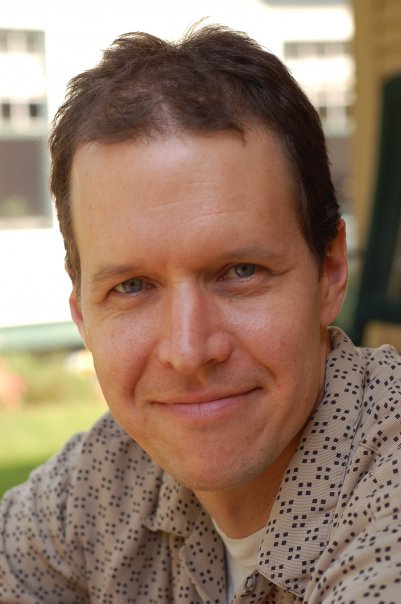 Michael Bischoff has spent the last four years experimenting with how personal and systemic transformation can be integrated in practical ways. During this period he initiated the Minnesota Presencing Community and the Social Innovation Lab.
Michael is the Lead Consultant and Owner of Clarity Facilitation, an organizational development consulting business. Michael facilitates visioning, evaluation, and marketing with nonprofit, government, and religious organizations. He is a member of Twin Cities Friends (Quaker) Meeting. He was formerly the Director of Projects and Interim President at the Council on Crime and Justice, and the Executive Director at Friends for a Non-Violent World. Michael has a MA in Conflict Transformation from Eastern Mennonite University. He lives in Minneapolis, where he enjoys biking, movie making, and playing with his two children. He's also crazy about God.
Tuesday, November 6, 2012
Community meeting spaces in the Twin Cities
[Updated July 2015]
I spend a lot of time looking for good, inexpensive places to have meetings and workshops in the Twin Cities. I'd like to let you know some of my favorite places to host community meetings. I'd love to know your favorites.
Libraries: Almost all libraries in the Twin Cities have free meeting space for nonprofit uses. My favorites are the Community Program Room at the Roseville Library (lots of natural light, seats 125 theater style, nice A/V setup), the Rondo Multipurpose Room in St. Paul (up to 80, nice light, pretty new), and the Meeting Room at the North Regional Library in Minneapolis (up to 108, using both sides of the room). There are lots of other good options. The hours are limited, and you can't charge money to participants for events held at the libraries.
St. Jane House: A beautiful, welcoming space for small meetings and retreats in North Minneapolis. Gatherings that fit with their mission can use the space in exchange for a donation.
Carondolet Retreat Center: Located next to St. Kate's University in St. Paul, Carondolet has many sizes of rooms for reasonable prices. I've had many events there and found them easy to work with and hospitable. If you have any food, you need to use their in-house catering company.
Neighborhood House/Wellstone Center: This community center on St. Paul's west side has many nice spaces for rent and is an active communtiy hub. It is a little more expensive than the Carondolet Center, but not much.
The Hill Ballroom at Macalester College: I've looked into many of the larger ballrooms in the Twin Cities, and found this one to be a great combination of affordability and good support. The ballroom is in the Kagin Commons building, in a beautiful room full of windows. For food, you need to use their catering company.
Common Roots Cafe: This restaurant in Minneapolis has a community room that is free for community use, if your meeting participants buy food there. There is space for up to 25 people. The cafe is open a lot, but the calendar for the room fills up quickly.
Como Dockside: Several meeting spaces in Como Park, St. Paul. The rooms are connected with this restaurant. The rooms used to be free for nonprofit use. I'm not sure about now.
Boneshaker Books: Free meeting room for up to 20 people, in the Seward neighborhood of Minneapolis.
Urban Research and Outreach-Engaement Center (UROC): A U of M center in North Minneapolis that has 3 rooms available for community use.
Minneapolis Urban League: Their North Minneapolis center has 2 large meeting rooms that are often available for community meetings, at a reasonable cost.
Wedge Table: They have a meeting room that fits 25 people is free for nonprofits, and cheap for others.
What other good communtiy meeting spots do you know about?
I spend a lot of time looking for good, inexpensive places to have meetings and workshops in the Twin Cities. I'd like to let you know some of my favorite places to host community meetings. I'd love to know your favorites.
Libraries: Almost all libraries in the Twin Cities have free meeting space for nonprofit uses. My favorites are the Community Program Room at the Roseville Library (lots of natural light, seats 125 theater style, nice A/V setup), the Rondo Multipurpose Room in St. Paul (up to 80, nice light, pretty new), and the Meeting Room at the North Regional Library in Minneapolis (up to 108, using both sides of the room). There are lots of other good options. The hours are limited, and you can't charge money to participants for events held at the libraries.
St. Jane House: A beautiful, welcoming space for small meetings and retreats in North Minneapolis. Gatherings that fit with their mission can use the space in exchange for a donation.
Carondolet Retreat Center: Located next to St. Kate's University in St. Paul, Carondolet has many sizes of rooms for reasonable prices. I've had many events there and found them easy to work with and hospitable. If you have any food, you need to use their in-house catering company.
Neighborhood House/Wellstone Center: This community center on St. Paul's west side has many nice spaces for rent and is an active communtiy hub. It is a little more expensive than the Carondolet Center, but not much.
The Hill Ballroom at Macalester College: I've looked into many of the larger ballrooms in the Twin Cities, and found this one to be a great combination of affordability and good support. The ballroom is in the Kagin Commons building, in a beautiful room full of windows. For food, you need to use their catering company.
Common Roots Cafe: This restaurant in Minneapolis has a community room that is free for community use, if your meeting participants buy food there. There is space for up to 25 people. The cafe is open a lot, but the calendar for the room fills up quickly.
Como Dockside: Several meeting spaces in Como Park, St. Paul. The rooms are connected with this restaurant. The rooms used to be free for nonprofit use. I'm not sure about now.
Boneshaker Books: Free meeting room for up to 20 people, in the Seward neighborhood of Minneapolis.
Urban Research and Outreach-Engaement Center (UROC): A U of M center in North Minneapolis that has 3 rooms available for community use.
Minneapolis Urban League: Their North Minneapolis center has 2 large meeting rooms that are often available for community meetings, at a reasonable cost.
Wedge Table: They have a meeting room that fits 25 people is free for nonprofits, and cheap for others.
What other good communtiy meeting spots do you know about?
Thursday, October 4, 2012
My vision for the next 10 years. Where can we collaborate?
In this political season, I have frequently been caught up in the political horse races, sometimes with despair and sometimes with excitement. I definintely did last night while watching the debate. I can also easily get lost in eager preparation for an event or project I'm facilitating. In these times of short-term, narrow focus, I can lose sight of any long-term vision and intentions that I want to guide me. This summer, as part of a training about Human Systems Dynamics, I was asked to make a video about my vision for the next 10 years. I found this to be a very useful exercise in envisioning what is important to me with my family, work, and communities. I had fun developing part of the vision together with my kids.
I'd like to show you that video, as a way of asking for your collaboration in the next 10 years. I'd love to know and support your vision, and collaborate in the areas where our visions meet.
I'd like to show you that video, as a way of asking for your collaboration in the next 10 years. I'd love to know and support your vision, and collaborate in the areas where our visions meet.
Monday, July 9, 2012
Dangers of following what emerges
One of the primary orientations in my work is listening for what seems to be naturally emerging in organizations and communities and supporting groups to follow the path that is emerging. While I deeply value this approach, it has its shadow sides. Here is a story of one of those shadows.
 Earlier this year, I worked with others to initiate a new Social Innovation Lab in Minnesota. There was a lot of momentum going into the lab, and many people and organizations were excited to be a part of it. The lab was successful on many levels. The registration for the first gathering of the lab filled up quickly. About 250 of us gathered in May, and there was a lot of excitement and energy. In preparing for the lab, I had followed where doors opened, what glimmered. Volunteers, co-sponsors, projects to work with, and other connections arose easily and abundantly. I put in many more hours than I had planned on, but I found it energizing and compelling.
You're Invited
Sept. 12, 8:00 am - noon, St. Paul. I'd like to invite you to join us for the second Social Innovation Lab, which will focus on how we see and cultivate synergy between different social innovation projects. The lab is a place for community change makers to get new thinking and connections to advance their work. You can find out more and register online here.

Earlier this year, I worked with others to initiate a new Social Innovation Lab in Minnesota. There was a lot of momentum going into the lab, and many people and organizations were excited to be a part of it. The lab was successful on many levels. The registration for the first gathering of the lab filled up quickly. About 250 of us gathered in May, and there was a lot of excitement and energy. In preparing for the lab, I had followed where doors opened, what glimmered. Volunteers, co-sponsors, projects to work with, and other connections arose easily and abundantly. I put in many more hours than I had planned on, but I found it energizing and compelling.
A few weeks before the lab event, I went on a retreat by myself and spent the weekend in the woods. In that quiet, I was surprised by what I found. It became clear that under the excitement and dedication I was putting into the lab, I felt a strong insecurity and grasping. On the retreat, I noticed how much my work with the lab was motivated by the belief that if enough people came to the event and if it was viewed as successful, then (and only then) would I be OK. With this grasping motivation, I had overworked and attracted lots of people that look and think like me. I had created an overrepresentation of white, liberal, nonprofit, middle class, artsy, do gooders. I like those people. I am one of those people. But my over functioning crowded out space for other partners on the team and other intentions and priorities. For this event, we were seeking to maximize the diversity of perspectives involved, as a way to increase chances for innovation. The way I followed opportunities as they arose also quickly brought in many people in ways that were confusing. I often skipped over the preparation of clarifying our purpose and building our team. All of this contributed to a higher level of anxiety in the event and planning and became overwhelming for me.
Thankfully, I am working on this project with an amazing team, and they were able to challenge and redirect the patterns I was starting and strengthening. As a team, we then corrected course to be more intentional about how we were inviting people and clarified our goals. The excitement, anxiety, confusion and inspiring sense of possibility were all mixed together in our May gathering of the innovation lab.
Thankfully, I am working on this project with an amazing team, and they were able to challenge and redirect the patterns I was starting and strengthening. As a team, we then corrected course to be more intentional about how we were inviting people and clarified our goals. The excitement, anxiety, confusion and inspiring sense of possibility were all mixed together in our May gathering of the innovation lab.
The process was a reminder to me that my intention is not just following what is easiest and what seems to be emerging naturally. There are other layers in following what is emerging and ways to ground that practice in wisdom and thoughtfulness. As I'm now preparing for the next large gathering of the innovation lab, I'm seeking to pay more attention to the motivations and energy I'm bringing to the team. I'm stopping myself from always rushing ahead when opportunities arise to make more space for our team to build common goals and for us each to take our own kinds of leadership. I don't want to beat myself up about the mistakes I made in the last round, but to notice and learn from this experience and pay attention in a different way next time.
I see many of us dancing between intentional choices about what we want to do, while also responding to opportunities as they arise. I'm very interested in your stories and lessons from doing this dance. I'm grateful to be working with many of you as we experiment with this in our organizations.
I see many of us dancing between intentional choices about what we want to do, while also responding to opportunities as they arise. I'm very interested in your stories and lessons from doing this dance. I'm grateful to be working with many of you as we experiment with this in our organizations.
You're Invited
Sept. 12, 8:00 am - noon, St. Paul. I'd like to invite you to join us for the second Social Innovation Lab, which will focus on how we see and cultivate synergy between different social innovation projects. The lab is a place for community change makers to get new thinking and connections to advance their work. You can find out more and register online here.
Monday, March 12, 2012
Join us for the first Social Innovation Lab
I see most most systems in our society hitting walls as we try to solve new problems with old tools. From how we provide health care to how we do politics, we are in need of lots of innovation to find new ways of meeting community needs. In the past six months, I've organized a series of gatherings about Presencing, which is a way of paying attention to the future that is seeking to emerge. I've been delighted by all the connections and learning that I've found in this work. One outgrowth of the work I've been doing with Presencing, is that I'm now partnering with InCommons, Wendy Morris, and many others to start a Social Innovation Lab in Minnesota. The first gathering of this lab will be on May 22 from 8:30 to noon in St. Paul. I'd like to invite you to join us, and help shape this resource and community.
 The Social Innovation Lab is a quarterly, half-day gathering that brings together tools, projects, and networking to increase capacity for social innovation, for the purpose of building sustainable and inclusive communities in Minnesota.
The Social Innovation Lab is a quarterly, half-day gathering that brings together tools, projects, and networking to increase capacity for social innovation, for the purpose of building sustainable and inclusive communities in Minnesota.
The inaugural lab on the morning of May 22 will focus on identifying and working with leverage points for change in complex systems. For instance, what are the most effective points of intervention for increasing the health of systems that provide education, food, health care, and public safety? Glenda Eoyang, from the Human Systems Dynamics Institute, will be one of the trainers, and help us find tools for change in complex systems. Several people who are leading systems change initiatives will join us, as we experiment with how the tools that Glenda introduces us to can be applied to the challenges in these initiatives. For example, people who are working to remove barriers for money transfers from Minnesota to Somalia will engage us in this challenge. Many other groups, including people working on health care reform and green affordable housing, will also be inviting us to learn with them about how tools for systems change can be applied those issues. Read more here.

Wednesday, January 25, 2012
Next steps for presencing in Minnesota
We've had three Minnesota presencing gatherings in recent months, with about 200 of us participating in these events. The goal of our times together has been to strengthen the Minnesota hub of people practicing awareness-based collective action methods in pioneering a more sustainable, inclusive, and aware society. Thank you for your participation in co-creating the learning, relationships, and work that has grown out of these gatherings. We have one more presencing gathering planned. We'd love to have you join us for that gathering as we build bridges from the momentum of the presencing gatherings into what is seeking to emerge next.
March Presencing Gathering. Join us on March 1 from 9:00 am to noon at the Carondolet Center in St. Paul for open space, sharing stories, and connecting with each other as we explore our next steps in pioneering a more sustainable and inclusive communities in Minnesota. To get us started, we'll have a quick review of what we've done and learned in the previous presencing gatherings.

Harvests from our prototyping gathering: Last week, about 110 of us gathered for a presencing gathering focused on prototyping and learning with 13 different projects in Minnesota that are doing social innovation work. Here is a link to the PowerPoint slides that Wendy Morris used to introduce the rapid prototyping tool. The following video and word collage capture some of what we did together last week.

I hope to see you on March 1 as we continue to notice and follow what is emerging among us.
Harvests from our prototyping gathering: Last week, about 110 of us gathered for a presencing gathering focused on prototyping and learning with 13 different projects in Minnesota that are doing social innovation work. Here is a link to the PowerPoint slides that Wendy Morris used to introduce the rapid prototyping tool. The following video and word collage capture some of what we did together last week.
I hope to see you on March 1 as we continue to notice and follow what is emerging among us.
Tuesday, December 20, 2011
Are you drawn to healing justice or the practice of presence?
The past couple months have been one of the most satisfying and growthful times in my working life. Part of what has been most satisfying has been discovering and collaborating with others who share my passions. I'd like to tell you about and invite you into two of those networks of interconnected passion and vision.
Presencing: One thing I'm most interested in is how our inner lives impact and change institutions we are a part of. I'm in the midst of organizing a series of forums and trainings about an approach to leadership called Presencing or Theory U. In this process, I've discovered an abundance of partners in this journey, including great partnerships with the Creative Leadership Studio and InCommons. Together we are exploring how to pioneer a more sustainable and inclusive society, and finding a lot of fun and learning along the way. On January 17 from 9:00 am to noon at the Carondelet Center in St. Paul we're organizing a training about using Presencing to support deep shifts in human systems and communities. The training is free, but space is limited. Register now to confirm your spot. The video below gives you a flavor of a day long forum about Presencing that we had this fall.
 Healing Justice: For many years, a focus of my work has been seeking healing responses to crime and the causes of crime. I'm very grateful to be working with the American Friends Service Committee to assess how healing justice could be furthered in Minnesota. On the evening of January 10, we're having a community meeting that will gather people who are doing some amazing work in this area, and we'll envision how it could more fully expressed in MN. I invite you to a>. If you aren't able to be there on the 10th, I invite you to fill out this online survey, providing your input about how the American Friends Service Committee could contribute to healing justice in Minnesota.
Presencing: One thing I'm most interested in is how our inner lives impact and change institutions we are a part of. I'm in the midst of organizing a series of forums and trainings about an approach to leadership called Presencing or Theory U. In this process, I've discovered an abundance of partners in this journey, including great partnerships with the Creative Leadership Studio and InCommons. Together we are exploring how to pioneer a more sustainable and inclusive society, and finding a lot of fun and learning along the way. On January 17 from 9:00 am to noon at the Carondelet Center in St. Paul we're organizing a training about using Presencing to support deep shifts in human systems and communities. The training is free, but space is limited. Register now to confirm your spot. The video below gives you a flavor of a day long forum about Presencing that we had this fall.
Healing Justice: For many years, a focus of my work has been seeking healing responses to crime and the causes of crime. I'm very grateful to be working with the American Friends Service Committee to assess how healing justice could be furthered in Minnesota. On the evening of January 10, we're having a community meeting that will gather people who are doing some amazing work in this area, and we'll envision how it could more fully expressed in MN. I invite you to a>. If you aren't able to be there on the 10th, I invite you to fill out this online survey, providing your input about how the American Friends Service Committee could contribute to healing justice in Minnesota. Monday, September 19, 2011
Organizations gaining more consciousness: Nick Ellerby
I've had the privilege of doing two rounds of video interviews with staff and clients at the Oasis School for Human Relations in England. Oasis supports transformative learning in organizations through consulting and training. One of my favorite conversations at Oasis was with Nick Ellbery about what it takes to raise the consciousness of an organization. Here are Nick's suggestions.
What are the elements of organizations gaining more consciousness?
- Discover what you are connected to
- Find the optimum moment
- Global questions create a lever
- Face the question, "What is your purpose?"
- Allow new questions to emerge
- Deepen to new layers
- Make space for an emergent process
Wednesday, August 31, 2011
An Invitation to Partner with me: From Death to Life
I'm trying something I haven't done before, and I'd like to ask your help with that.
This fall I have the honor of supporting the organizational development of a group called From Death to Life. Mary Johnson founded the organization a few years ago after her son was murdered, with a purpose of bringing together parents who had a child murdered and also parents of people who committed murder, for healing and reconciliation. Since she started the group, she met with the man who killed her son, and the two of them slowly grew close and now do a lot of work together. In the past couple months, they have gotten lots of media attention--on NPR, CBS Evening News, People Magazine, etc. Here's a powerful video about From Death to Life from local filmmaker, Dawn Mikkelson.
This fall I have the honor of supporting the organizational development of a group called From Death to Life. Mary Johnson founded the organization a few years ago after her son was murdered, with a purpose of bringing together parents who had a child murdered and also parents of people who committed murder, for healing and reconciliation. Since she started the group, she met with the man who killed her son, and the two of them slowly grew close and now do a lot of work together. In the past couple months, they have gotten lots of media attention--on NPR, CBS Evening News, People Magazine, etc. Here's a powerful video about From Death to Life from local filmmaker, Dawn Mikkelson.
I've known Mary for several years, and I know many people on her board. They asked me to facilitate discernment and visioning with them, and also to help them figure out how they can best structure the roles in the organization. They have lots of interest and attention in their work now, and a need to have more organizational capacity to make use of it. And, they currently have very little money. They are committed to being Spirit-led, and they also recognize they need to define clear long-term goals and decide on the best strategies and division of responsibilities to get there.
I feel called to support their work. When I agreed to work with them, I proposed three things:
- I would reduce my rate by about 25%
- The organization would pay me a small amount they could afford
- I would try to find an additional $800 though donations that I requested. That $800 would be donated to their organization, and then they would use it to pay for my consulting time.
I'd like to invite you to make a donation to From Death to Life, earmarked for this visioning work we are doing together. It would mean a lot to both me and the board and volunteers of this organization. To make a donation, click on the link below and use the online donation form. Donations go through their fiscal agent, the Basilica of St. Mary. In the "tribute" part of the form, type "Visioning" in the name box, and then select "in honor of" for the type of tribute. Thank you very much for joining me in this work. I'll report back on my blog about the progress toward this goal. Any amount over $800 will go toward the programs of From Death to Life, bringing together parents impacted by murder for healing and reconciliation.

Wednesday, June 1, 2011
Beyond debate and dialogue there is ...
“I know where we are called to go, but I am afraid to go.” I recently facilitated a board retreat where a board member acknowledged that the best path forward for the organization was clear, but that he was afraid of the financial and personal risks that would be involved. As he said this with vulnerability, the group was able to sink down to another level of conversation and interaction, where we weren’t just exchanging opinions but noticing what was moving through the group, and allowing that movement to slowly melt away obstacles.
 The approach to leadership and change that I find most useful in my work is called Presencing or Theory U, a framework developed by Otto Scharmer. In the language of Presencing, the board of directors I described moved down the levels of conversation in the chart to the right, so the group's highest potential could move through them. Presencing is set of principles and practices for collectively creating the future that wants to emerge. I’m eager to connect with people who resonate with this approach, in my consulting work and in my learning. Below are two events related to Presencing that I’m involved with that I invite you to participate in.
Global Presencing Forum - Minnesota: Practices for Transforming Institutions, Society and Self
 A group of us in Minnesota are organizing a one day conference on October 24th in Minneapolis/St. Paul. We'll have live streaming video of plenary sessions from the Global Presencing Forum, and have our own breakout activities, conversations, and panel. Our goal is to strengthen the Minnesota hub of people practicing awareness-based methods for pioneering a more sustainable and inclusive society. If you'd like to join us, please pencil the date in your calendar and sign up below to receive details as they develop.

Leading from the Future That Is Emerging, June 14
On June 14, David Fey and I are presenting a break-out session on Presencing at the Minnesota Council of Nonprofit's Leadership Conference in Minneapolis. We will provide an interactive introduction to Presencing and its connections to nonprofit leadership.

Presencing is one of many approaches to opening up to deep listening and innovation.What is most helpful for you in connecting to what is seeking to emerge in your life and work? I invite your input, challenges, and questions.
The approach to leadership and change that I find most useful in my work is called Presencing or Theory U, a framework developed by Otto Scharmer. In the language of Presencing, the board of directors I described moved down the levels of conversation in the chart to the right, so the group's highest potential could move through them. Presencing is set of principles and practices for collectively creating the future that wants to emerge. I’m eager to connect with people who resonate with this approach, in my consulting work and in my learning. Below are two events related to Presencing that I’m involved with that I invite you to participate in.Global Presencing Forum - Minnesota: Practices for Transforming Institutions, Society and Self
A group of us in Minnesota are organizing a one day conference on October 24th in Minneapolis/St. Paul. We'll have live streaming video of plenary sessions from the Global Presencing Forum, and have our own breakout activities, conversations, and panel. Our goal is to strengthen the Minnesota hub of people practicing awareness-based methods for pioneering a more sustainable and inclusive society. If you'd like to join us, please pencil the date in your calendar and sign up below to receive details as they develop.Leading from the Future That Is Emerging, June 14
On June 14, David Fey and I are presenting a break-out session on Presencing at the Minnesota Council of Nonprofit's Leadership Conference in Minneapolis. We will provide an interactive introduction to Presencing and its connections to nonprofit leadership.
Presencing is one of many approaches to opening up to deep listening and innovation.What is most helpful for you in connecting to what is seeking to emerge in your life and work? I invite your input, challenges, and questions.
Friday, April 22, 2011
How Do You Access Collective Wisdom?
One way that I describe my work is that I support groups to access their collective wisdom. Last year I helped the Center for Spirituality and Healing make the following video with Alan Briskin, who wrote the book, The Power of Collective Wisdom and the Trap of Collective Folly.
Alan describes six "stances" for allowing our collective wisdom to emerge:
1. Deep listening
2. Suspension of certainty
3. Seeing whole systems / seeking diverse perspectives
4. Respect for others / group discernment
5. Welcoming all that arises
6. Trust in the transcendent
These approaches closely reflect what I practice with groups. Do they fit with your experience? How do you draw upon the collective wisdom in your organization and work?
Alan describes six "stances" for allowing our collective wisdom to emerge:
1. Deep listening
2. Suspension of certainty
3. Seeing whole systems / seeking diverse perspectives
4. Respect for others / group discernment
5. Welcoming all that arises
6. Trust in the transcendent
These approaches closely reflect what I practice with groups. Do they fit with your experience? How do you draw upon the collective wisdom in your organization and work?
Subscribe to:
Posts (Atom)